
Laser Treatments for Periodontal Disease: Benefits and Limitations
Periodontal disease, often called gum disease, affects millions of people and can lead to serious dental issues if left untreated. Traditional treatments typically involve deep cleaning and sometimes surgery. However, advances in dental technology have introduced laser treatments as a promising alternative.
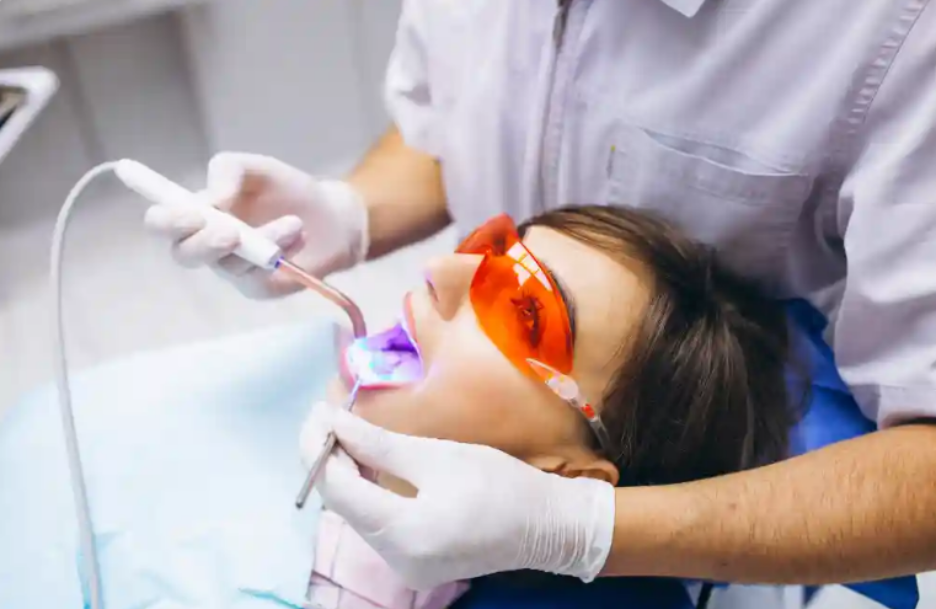
Benefits and Limits of Laser Periodontal Treatment
In this article, we’ll explore the benefits and limitations of laser therapy for perio disease treatment, Pittsburgh, PA and what you can expect if you consider this treatment.
What Is Laser Treatment for Periodontal Disease?
Laser treatment uses focused light energy to target and remove infected gum tissue and bacteria in the pockets around your teeth. Unlike traditional methods that rely on manual tools or scalpels, lasers allow for precision and control. The laser not only cleans the infected area but also helps stimulate healing by promoting tissue regeneration.
Dentists use different types of lasers depending on the severity of the disease and the patient’s specific needs, making it a versatile option in periodontal care.
Key Benefits of Laser Therapy
One of the main advantages of laser treatment is that it is less invasive compared to traditional gum surgery. This often results in reduced bleeding, swelling, and discomfort during and after the procedure. Additionally, the precision of lasers means that healthy tissue around the affected area remains largely untouched, which promotes faster healing.
Moreover, laser treatments can effectively sterilize the area by killing bacteria, which helps prevent reinfection. Many patients appreciate the shorter recovery time and the fact that this option can sometimes be performed without the need for general anesthesia.
Limitations and Considerations
While laser therapy offers many benefits, it’s important to understand its limitations. Not every case of periodontal disease can be treated with lasers alone, especially in advanced stages where significant bone loss has occurred. In such situations, traditional surgical approaches might still be necessary to fully address the problem.
Furthermore, laser treatment can be more costly than standard deep cleaning, and not all dental offices have the specialized equipment or training required to perform it. Insurance coverage may also vary, so it’s a good idea to check beforehand.
What to Expect During Laser Treatment
If your dentist recommends laser therapy, the procedure usually begins with a local anesthetic to numb the area. The laser is then carefully applied to remove infected tissue and bacteria from the gum pockets.
Because the procedure is less invasive, many patients report feeling minimal discomfort both during and after treatment. You might experience some mild sensitivity or swelling for a few days, but overall, recovery is typically quicker than with traditional surgery.
Maintaining Gum Health After Laser Therapy
Laser treatment is effective, but it’s not a cure-all. Maintaining good oral hygiene is critical to prevent periodontal disease from returning. Regular brushing, flossing, and dental checkups play a key role in keeping your gums healthy.
Your dentist may also recommend more frequent cleanings after laser therapy to monitor your gum health closely. Staying on top of these appointments ensures the benefits of the treatment last as long as possible.
Conclusion: Benefits and Limits of Laser Periodontal Treatment
Laser treatments for periodontal disease offer an innovative and less invasive alternative to traditional gum surgery. They provide benefits such as reduced discomfort, faster healing, and effective bacterial removal. However, they are not suitable for all cases, particularly more advanced disease stages.
Recent Comments